Author: Huey Yee

  • Press Release Marketing Strategy (Format and Tips Included!)

    Press Release Marketing Strategy (Format and Tips Included!)

    Most businesses spend time and budget on ads, social media, email campaigns, and content marketing. All of that  But the are beneficial, and important for a business. 

    But there is one tool that often gets misunderstood or underestimated, the press release.

    Some people think press releases are outdated. Others see them only as something for big corporations. 

    In reality, press releases are still one of the most practical ways to communicate important news, build credibility, and support long-term brand visibility.

    A well-planned press release does more than announce something. It puts your brand into public conversations, gives journalists a reliable source of information, and creates content that can live across search engines, media sites, and social platforms.

    If you care about trust, reach, and long-term brand presence, press releases should not be an afterthought. They should be part of your marketing system.

    What is a Press Release?

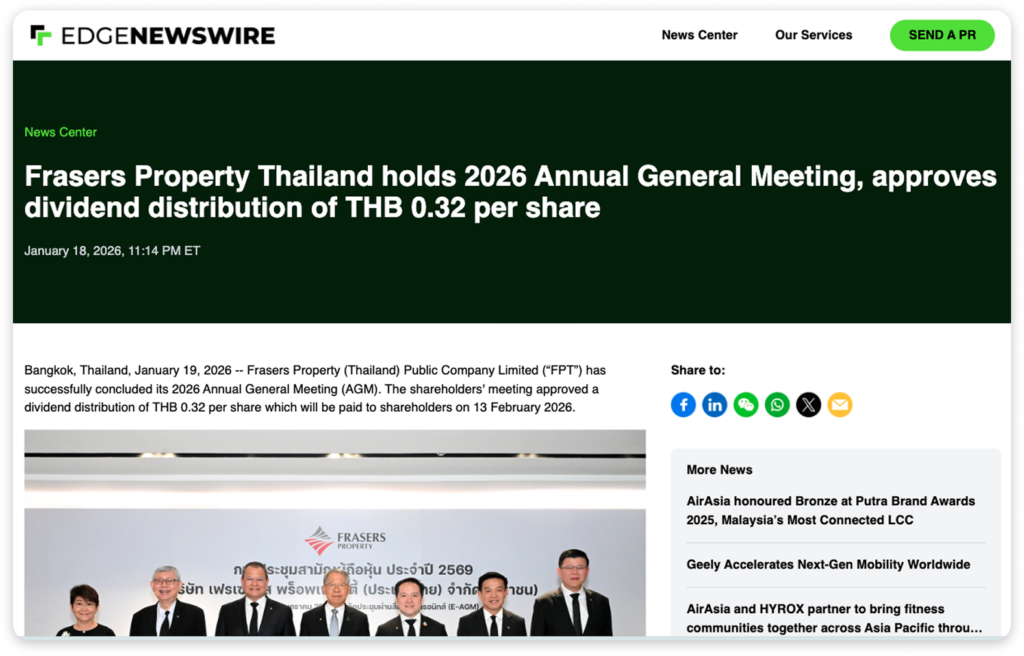
    At its core, a press release is a formal announcement shared with the media and the public. Example of press release:
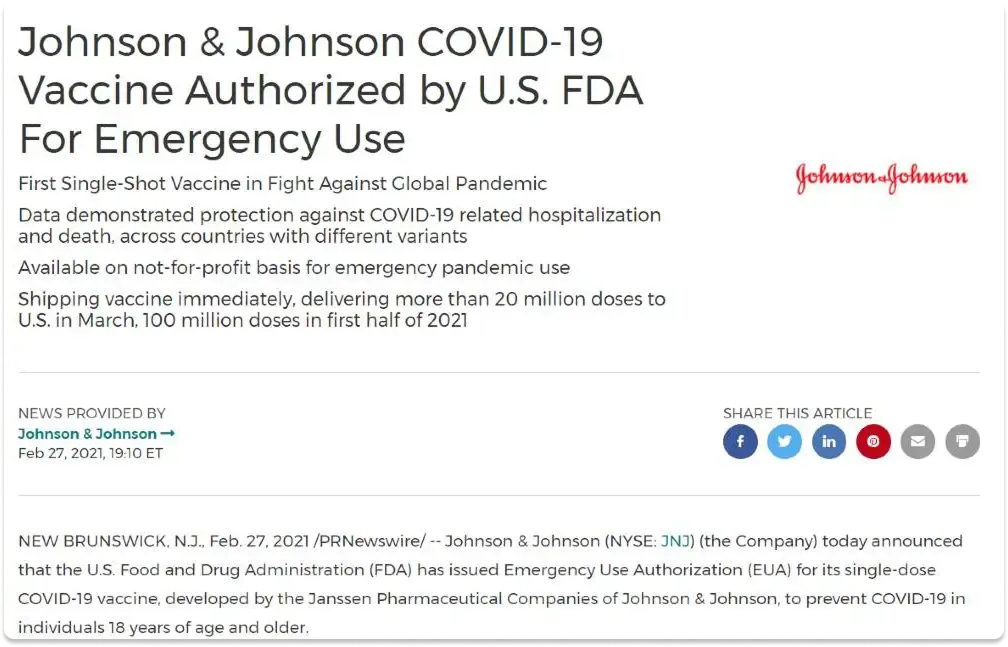
    Screenshot of a Johnson & Johnson press release announcing FDA emergency use authorization for its COVID-19 vaccine.

    It is used to communicate news such as:

    • Product or service launches
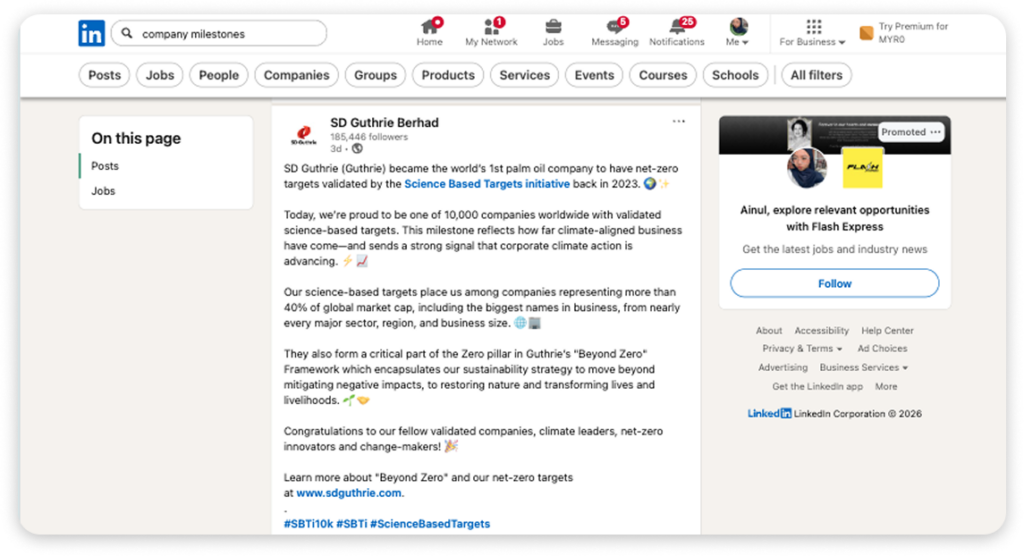
    • Company milestones
    • Partnerships or collaborations
    • Rebranding or positioning changes
    • Events, awards, or major updates

    But, press release is not an advertisement.

    A press release is built around information instead of promotion. Its job is to explain what happened, why it matters, and who is involved, in a clear and factual way. 

    When press release is written in an effective way, it gives journalists and readers everything they need to understand the story without sounding like a sales copy.

    Benefits of Using Press Releases for a Business

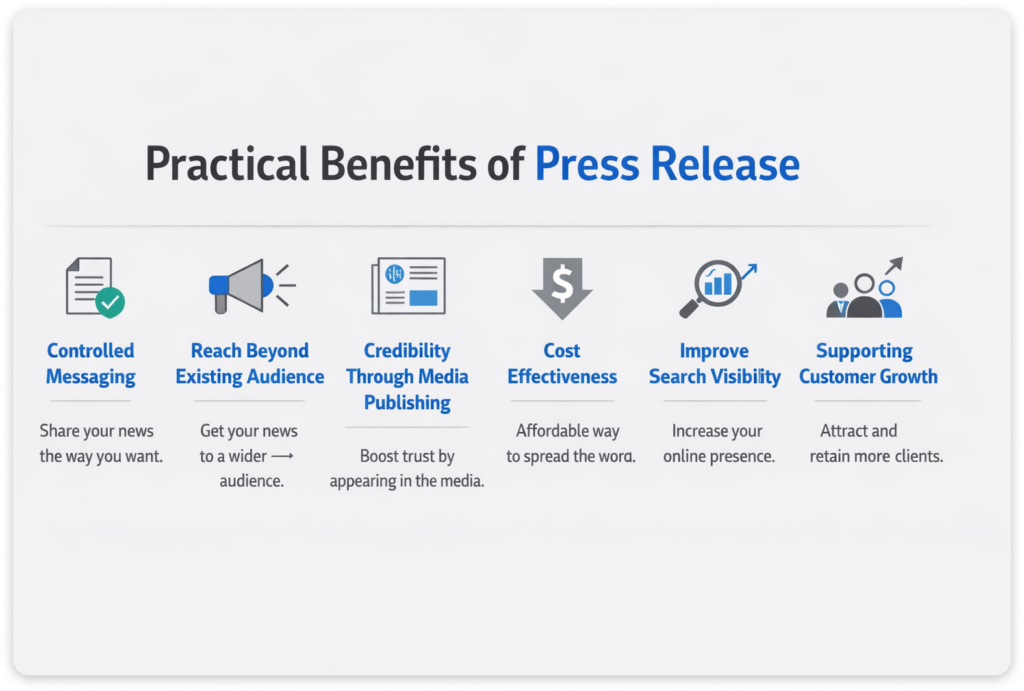
    Press releases support several important marketing goals at the same time.

    #1 Reach New Audience

    Your website, social media, and email list mostly reach people who already know you or have chosen to follow you.

    Press releases help you reach new audiences through media sites, news platforms, and search engines. When your story is published on multiple outlets, your brand shows up in places you could not easily access on your own.

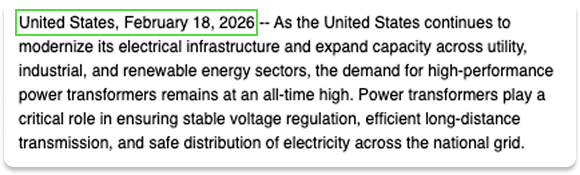
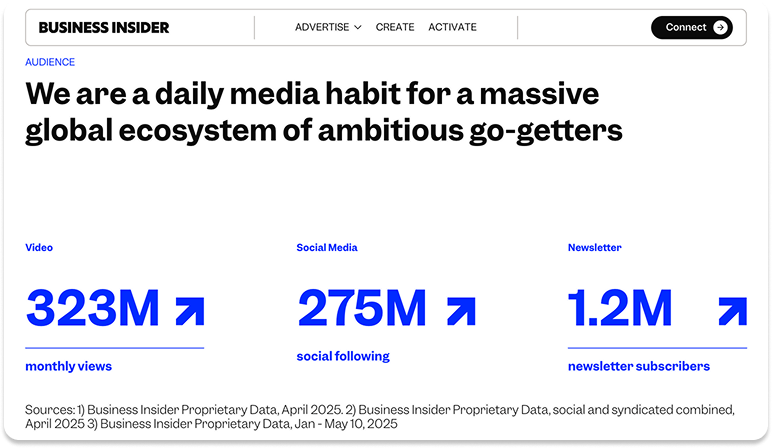
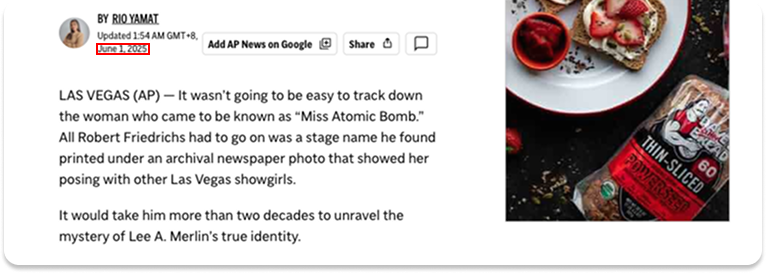
    For example, when you use a press release distribution service like EdgeNewswire, your announcement can be picked up by established media outlets such as Business Insider, AP News, and USA Today. 

    These platforms have massive audiences that are far larger than most company websites or social accounts, which means your story gets in front of readers who would never have found you otherwise.

    This is especially valuable for businesses that want to grow beyond their existing customer base or enter new markets.

    #2 Building Trust Through Third-Party Visibility

    Being mentioned on well-known or respected websites changes how people see your brand.

    When potential customers see your company featured on recognizable platforms, it adds a layer of credibility that self-published content cannot easily create. It signals that your business is real, active, and worth paying attention to.

    For many people, this kind of social proof plays a big role in buying decisions.

    #3 Delivering the Right Message to the Right Audience

    Press releases allow you to shape how your news is presented.

    Instead of relying on short social posts or fragmented updates, you can explain your story in a structured way. This is especially useful when your news is technical, strategic, or important to specific groups such as investors, partners, or industry professionals.

    With the right distribution, your message can appear in front of people who actually care about that type of news.

    #4 Supporting Lead Generation and Demand Creation

    A good press release attracts interest from people who are already looking for solutions, and ma like yours.

    For example, a company announcing a new software tool can catch the attention of businesses actively searching for that type of product. Over time, this kind of visibility can turn into inquiries, sign-ups, or partnerships.

    #5 Strengthening Long-Term Online Visibility

    Press releases live online.

    When they are published on media sites, they often include links back to your website. These links can drive referral traffic and also support your broader search visibility.
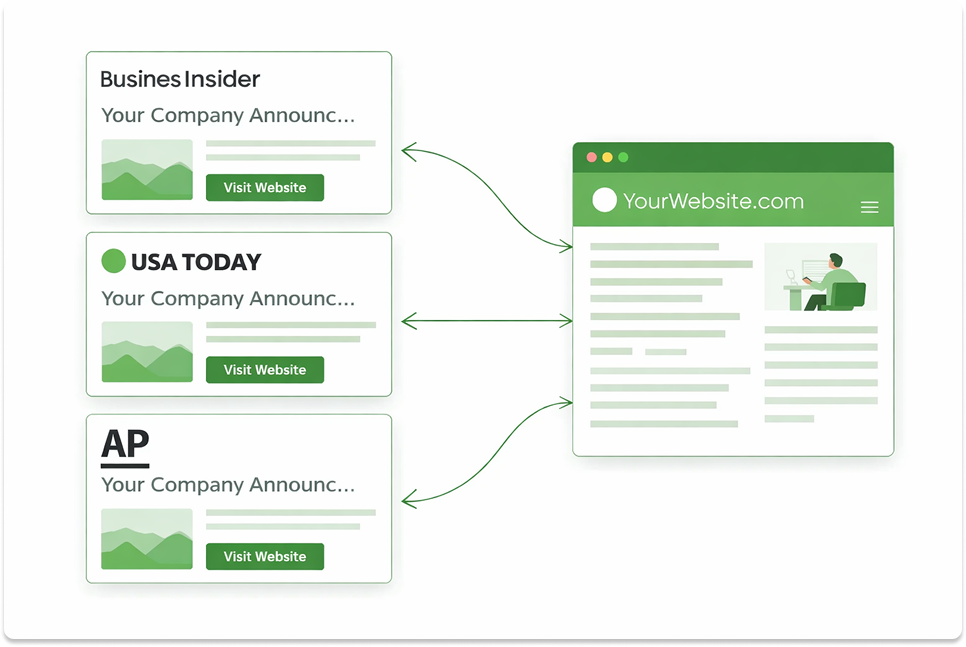
    Graphic showing media articles linking to a company website.

    More importantly, press releases create a trail of public information about your brand. This helps shape what people and even AI tools find when they look up your company.

    #6 Reinforcing Your Brand Positioning

    Consistency matters in branding.

    When you regularly share updates that align with your values, mission, or expertise, you reinforce how people perceive your company. A business that frequently publishes news about sustainability, innovation, or community impact becomes associated with those themes over time.

    Press releases help you control and repeat those signals in a structured way.

    How to Build an Effective Press Release Strategy

    Press releases work best when they are part of a plan, not random one-off announcements.

    #1 Start With a Clear Audience Focus

    Before writing anything, be clear about who the news is for.

    Ask questions like:

    • Are you targeting customers, investors, partners, or media professionals?
    • What problems or interests does this group have?
    • Where do they usually get information?

    Creating simple audience profiles helps you decide what angle to take, what details to highlight, and where to distribute your release.

    #2 Decide on Timing and Frequency

    For major announcements, it often makes sense to publish one or two weeks before a launch or event. This gives journalists time to review the story and plan coverage.

    As for frequency, more is not always better. 

    Press releases should be used for real news, not small internal updates. A few strong, well-timed releases usually perform better than many weak ones.

    Also pay attention to the day and time. Midweek and business hours tend to work better for most industries, since that is when editors and writers are actively working.

    #3 Connect Press Releases With Other Marketing Channels

    Press releases should not live in isolation. 

    When you are launching something new, you can tease it on social media before the release, follow up with a blog post that goes deeper into the topic, and send an email to your list with extra context or a related offer. 
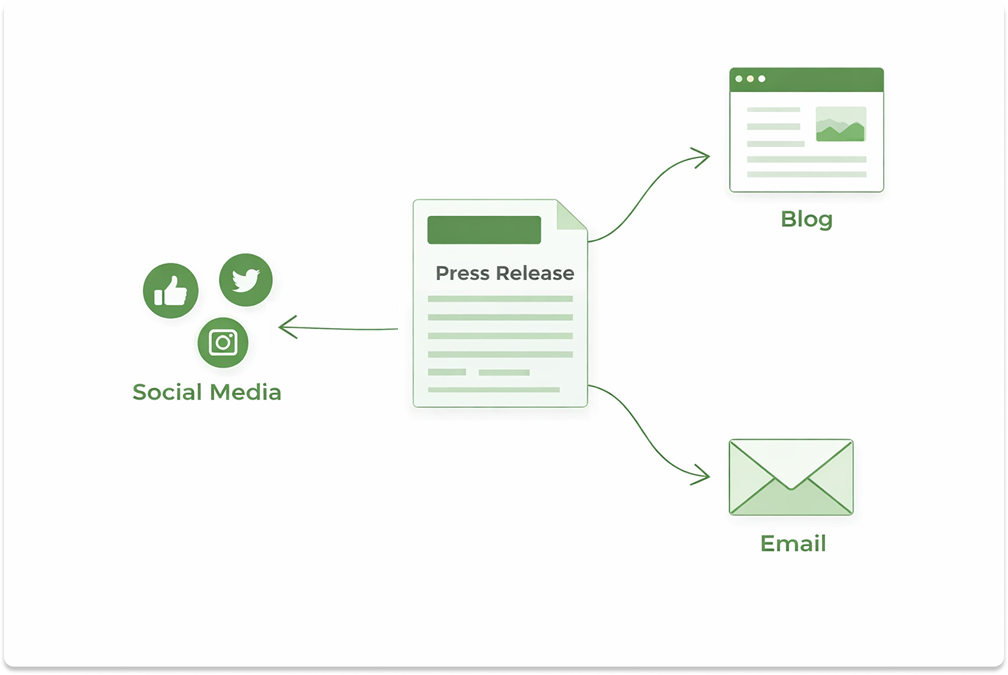
    Diagram showing a press release feeding into social media, blog, and email channels.

    This creates a connected story across channels, so each piece supports the others and increases the overall impact of your campaign.

    When to Use a Press Release

    Not every update deserves a press release.

    Press releases work best for:

    • Major product or service launches
    • Strategic partnerships
    • Funding or business milestones
    • Industry recognition or awards
    • Important company changes

    They are usually not the right tool for:

    • Small internal changes
    • Routine updates with no public impact
    • Minor feature tweaks
    • General marketing announcements with no real news value

    Being selective helps you maintain credibility with media outlets and keeps your announcements meaningful.

    Other than that, the way you write your press releases is also important. 

    Just as important, the way you write your press releases matters because editors, readers, and search platforms all judge your story based on clarity, relevance, and news value. 

    A well-written release makes it easier for your announcement to be understood, picked up, and trusted, while a poorly written one is likely to be ignored even if the news itself is solid.

    How to Write Press Releases People Want to Read

    A good press release follows a structure that makes it easy to understand and easy to evaluate.

    a) Use a Clear, Familiar Structure

    Most editors expect to see:

    ✅ A clear headline that states the news

    ✅ A short summary that explains why it matters

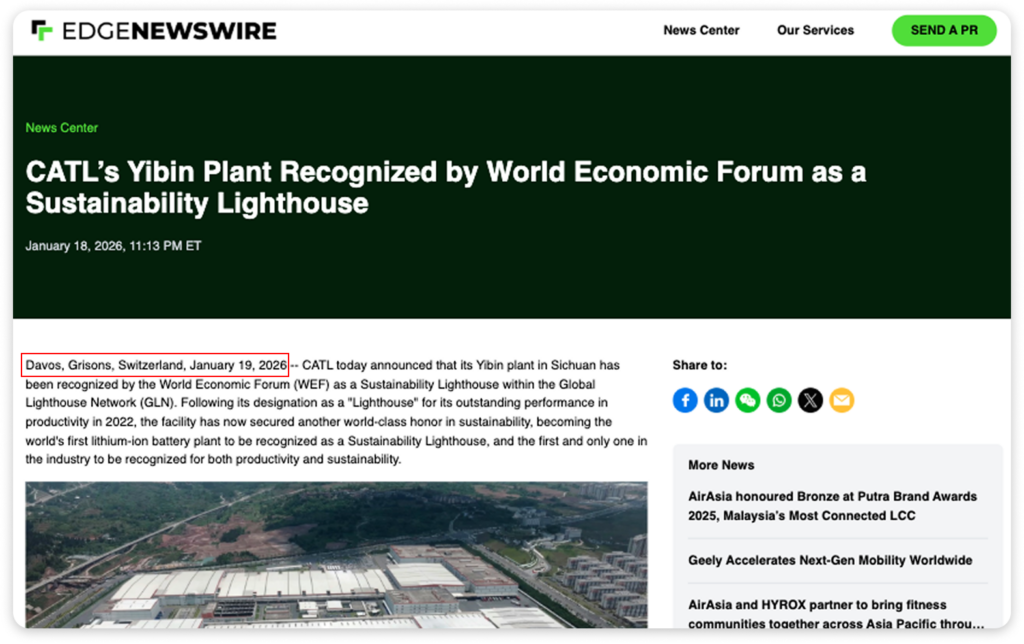
    ✅ A dateline with location and date

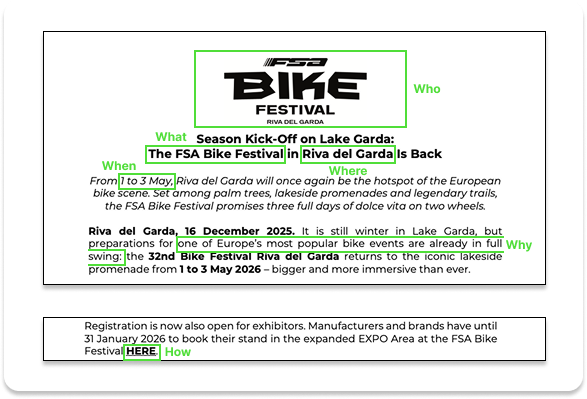
    ✅ A body that covers who, what, when, where, why, and how

    ✅ A short company description at the end

    ✅ Contact details for follow-up

    This structure will make your story easy to scan and easy to verify.

    b) Write Headlines That Respect the Reader’s Time

    Your headline should be specific and factual.

    Instead of vague promises, focus on what actually happened. A good headline helps the reader immediately understand whether the story is relevant to them.

    c) Focus on Benefits, Not Just Features

    Do not just list what you built or changed. Explain why it matters.

    If your update improves efficiency, accessibility, cost, or experience, make that clear. This turns your announcement from a simple update into a story with real-world impact.

    d) Always Include a Clear Next Step

    Every press release should guide the reader somewhere.

    That could be:

    • Visiting your website
    • Registering for an event
    • Contacting your team
    • Downloading a resource

    A clear call to action helps turn attention into engagement.

    How to Distribute a Press Release to the Right Audience

    Writing is only half the job. Distribution decides who actually sees your story.

    #1 Optimize for Search Visibility

    Use keywords your audience is likely to search for, but keep the language natural. 

    Tools like Google Trends, Ahrefs, or Semrush can help you see what people are actually searching for and how competitive those terms are, while Google Search Console can show you which queries already bring traffic to your site. 
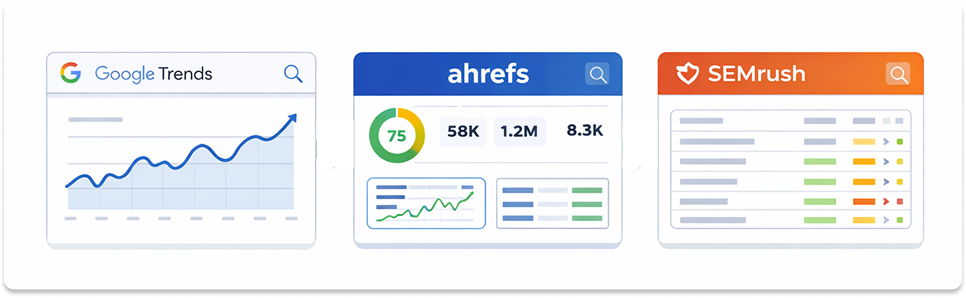
    Illustration of Google Trends, Ahrefs, and Semrush dashboards used for keyword and SEO research.

    A well-optimized press release can then continue to appear in search results long after it is published, bringing in steady visibility instead of just a short spike of attention.

    #2 Use Visuals When Possible

    Images, charts, or videos make your story easier to understand and more attractive to publishers. Many outlets prefer having visuals ready instead of requesting them later.

    #3 Share Across Your Own Channels

    Once your press release is live, share it on your social platforms, website, and email newsletters. This extends its reach and reinforces the message across touchpoints.

    #4 Consider Using Distribution Services

    Distribution platforms help place your press release across multiple media outlets at once.

    This saves time and increases the chance that your story reaches relevant publishers, especially if you are targeting specific industries or regions.

    How to Measure Whether Your Press Releases Are Working or Not

    Press releases should support real business goals, so measurement matters.

    a) Track Media Coverage

    Look at which sites published your story and how often it was picked up. This shows how newsworthy and relevant your announcement was.

    b) Monitor Website Traffic and Search Visibility

    Check whether people are visiting your site from those articles and whether your brand or keywords are appearing more often in search results.

    c) Measure Leads and Conversions

    If your press release includes a call to action, track how many people follow it. This helps you understand the business impact, not just the visibility.

    d) Collect Feedback and Improve

    Pay attention to what journalists, partners, and readers say. Over time, this feedback helps you refine your topics, angles, and writing style.

    Final Takeaway

    Press releases are not a relic of old-school PR. 

    They are still one of the most reliable ways to share important news, build credibility, and strengthen your brand’s public presence when they are used with intention.

    The key is not to treat them as one-off announcements or marketing fillers. A strong press release strategy starts with understanding your audience, choosing news that actually matters, writing with clarity, and distributing your story where it has the best chance to be seen. 

    When those pieces come together, press releases stop being just “news updates” and start becoming a consistent driver of visibility, trust, and long-term brand authority.

    If you approach press releases as part of your wider marketing system rather than a separate tactic, they become far more effective. Over time, each well-planned release adds another credible signal about your business, your expertise, and your direction. 

    That cumulative effect is what makes press releases such a valuable asset in a modern marketing strategy.

    Frequently Asked Questions (FAQs)

    Q: Are press releases still useful for small businesses?

    A: Yes. Small businesses often benefit even more because press releases help build credibility and visibility faster than relying only on social media or ads.

    Q: How long should a press release be?

    A: Most effective press releases are between 400 and 800 words. The goal is to be complete but not overwhelming.

    Q: Can a press release help with AI search visibility?

    A: Yes. Press releases published on trusted sites create authoritative sources that AI tools may reference when summarizing companies, products, or topics.

    Q: Should press releases be written in first person?

    A: No. Press releases should be written in a neutral, third-person tone to match journalistic standards.

    Q: Is it better to write press releases in-house or outsource them?

    A: It depends on your team’s experience. In-house works if you understand media writing well. Outsourcing can help if you want speed, consistency, or broader distribution support.
  • Best Time to Send a Press Release: Day, Hour & Timing Factors

    Best Time to Send a Press Release: Day, Hour & Timing Factors

    A great press release can fail just because you send it at the wrong moment.

    You can have a strong headline, a clear story, and real news to share, yet still get little response if your release lands when inboxes are crowded or editors have already mentally moved on from work for the day.

    For instance, you send your press release late Friday afternoon. Normally, editors are wrapping up their week, planning their weekends, or clearing their inboxes as quickly as possible. 

    Your carefully written announcement is far more likely to be ignored than reviewed. This is why timing is part of the strategy in PR.

    Even in a world where news travels instantly and people check their phones all the time, attention still follows patterns. 

    Editors have workflows. Journalists have deadlines. Audiences have habits. If your press release does not fit into those rhythms, it struggles to compete, no matter how good the content is.

    What Is the Best Day to Send a Press Release?

    If you look across most PR and media workflows, a clear pattern shows up. Midweek consistently performs better than the edges of the week.

    1. Why Tuesday, Wednesday, and Thursday Work Best

    Tuesday, Wednesday, and Thursday are usually the strongest days to distribute a press release.

    By Tuesday, the Monday inbox rush has settled. Editors have cleared the backlog, meetings are done, and people are back in a normal working rhythm. Your release has a better chance of being opened, read, and considered.

    Wednesday often performs just as well. It sits right in the middle of the workweek, when teams are focused and actively working on upcoming stories.

    Thursday can still work, especially for news that is timely or needs quick turnaround coverage. It is close enough to the end of the week that some editors are planning content ahead, but not so late that attention has completely dropped off.

    2. Why Monday Is Risky

    Mondays are crowded.

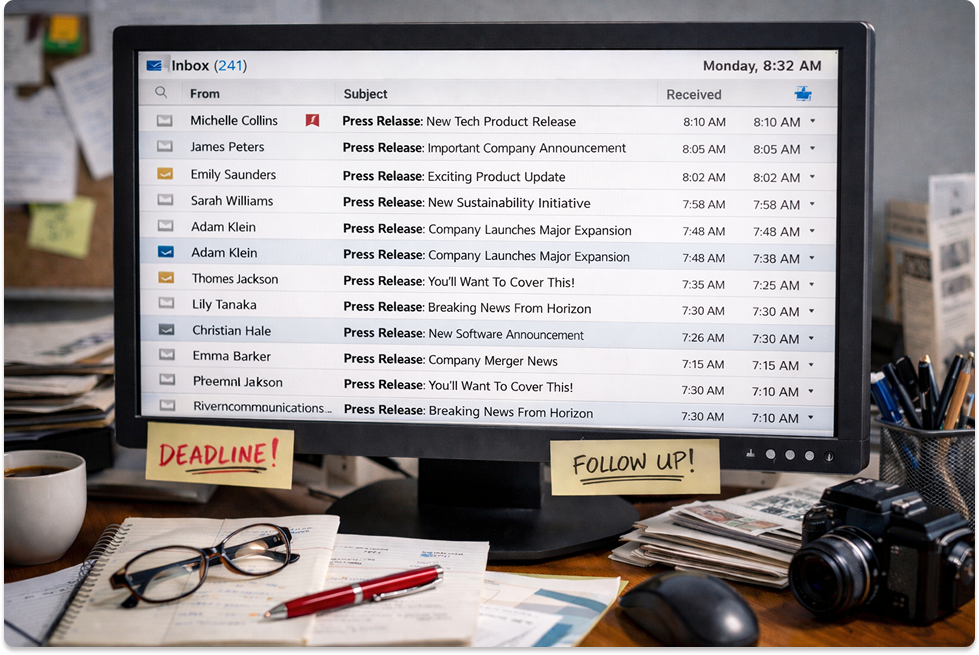
    Over the weekend, inboxes pile up. On Monday morning, editors and journalists are sorting through a large volume of emails, pitches, and internal messages. Many non-urgent items get skimmed or deleted just to reduce the backlog.

    Editor’s inbox on a Monday morning filled with press release emails.

    If your press release lands in that pile, it may never get a fair look, even if it is genuinely relevant.

    3. Why Friday and Weekends Are Usually a Bad Idea

    By Friday, attention starts to shift. 

    People focus on finishing tasks, closing loops, and getting out the door. New pitches and announcements are often postponed until next week or ignored altogether.

    Weekends are even worse. 

    Many newsrooms run with smaller teams, and most business communication slows down. Unless your news is time-sensitive or tied to a weekend event, sending a press release on Saturday or Sunday usually means it will be buried by Monday’s wave of emails.

    If you want a safe default, aim for Tuesday, Wednesday, or Thursday. But, you need to be careful of the timing when you send the press release as well.

    When Is the Best Time to Send a Press Release?

    There is no single perfect time that works for every industry or every audience, but there are clear patterns you can use as a starting point.

    1. The Late Morning to Early Afternoon Window

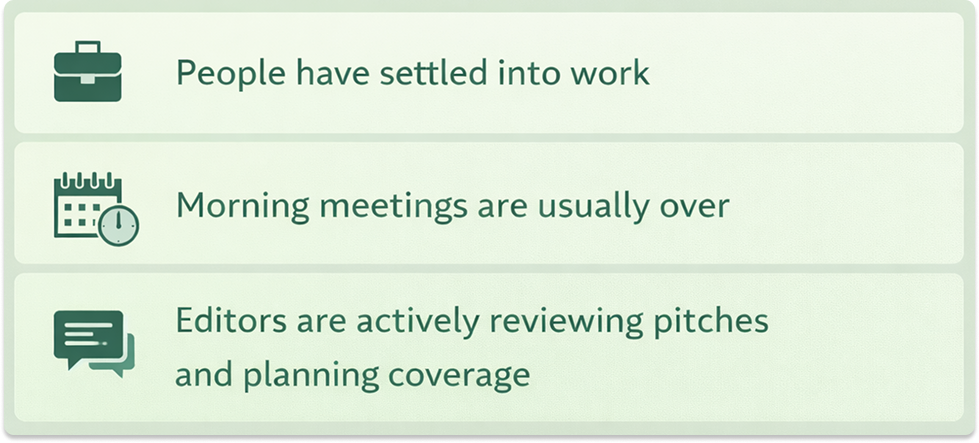
    For many industries, the strongest window is between around 10:00 AM and 2:00 PM.

    By this point in the day:

    Green infographic showing the best time to send a press release with three key reasons.

    Sending too early, such as before 8:00 AM, often means your email sits at the bottom of the inbox under newer messages. Sending too late in the afternoon means it competes with end-of-day wrap-ups and gets pushed to tomorrow, or forgotten.

    2. The Case for Avoiding “On the Hour” Sends

    There is another small but useful tactic to consider.

    Many PR teams schedule releases exactly on the hour or half-hour, such as 10:00 AM or 12:00 PM. This creates predictable spikes in incoming emails and wire releases.

    If you send your press release at a slightly unusual time, such as 11:17 AM or 1:42 PM, you may avoid the peak congestion. Your message does not compete with dozens of others hitting inboxes at the same minute.

    This does not guarantee attention, but it can improve your odds in a very crowded environment.

    Why “Perfect Timing” Depends on Your Audience and Industry?

    General guidelines are helpful, but they are not universal rules. The best timing for your press release depends on:

    • Who you are targeting
    • What industry you are in
    • What kind of news you are sharing
    • Which regions or time zones important for you

    For example, you run a software company that sells tools to other businesses in the US. Journalists and editors there usually start checking emails in the late morning. Sending your press release around mid-morning US time gives it a better chance to be seen.

    Now imagine you are launching a new consumer product in Europe. Editors there are in a different time zone and follow a different daily routine. If you send the release at the same time as the US one, it might arrive late in their day and get missed.

    This is why testing matters.

    If you send multiple press releases over time, track what gets opened, picked up, or covered. You may find that your audience responds better on certain days or at certain hours that do not match general advice.

    Data from your own campaigns is always more valuable than generic benchmarks.

    Five Timing Factors Most People Ignore

    Day and time are only part of the story. Real-world timing decisions are influenced by several other factors:

    1. The News Cycle

    Big events, holidays, and major industry moments can drown out smaller announcements.

    From late in the year onward, major holidays, sales events, and conferences often dominate coverage. 

    Take a major event announcement like the Esports World Cup. It draws massive media attention. If your release is unrelated or just a routine update, it is far more likely to get buried and never make it into coverage.

    Fireworks over the Esports World Cup opening ceremony with a large crowd and stage.

    On the other hand, quieter periods in the news cycle can work in your favor. 

    With less competition, your story has more room to stand out. Tools like Google Trends or social listening platforms can help you spot when attention is high or low around certain topics.

    2. Time Zones and Local Work Habits

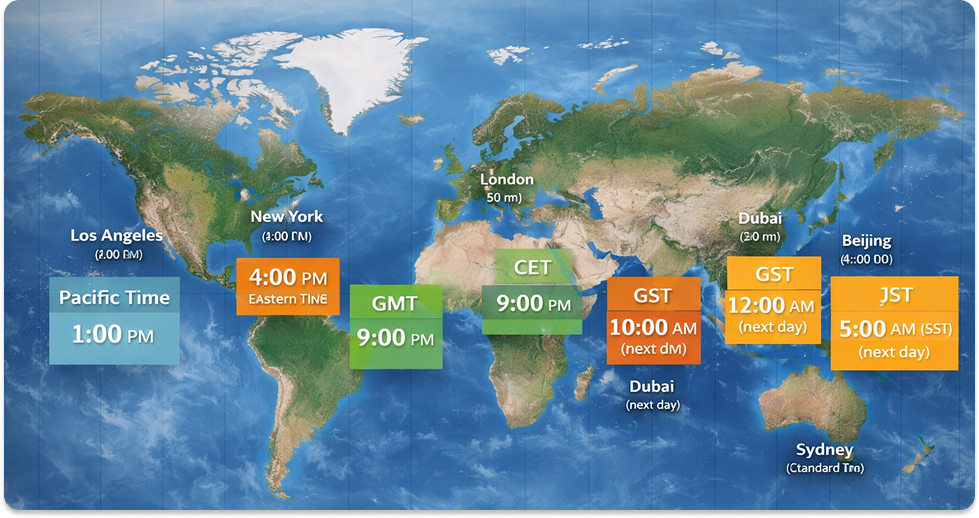
    If you are targeting multiple regions, time zones matter more than you might expect.

    World map showing major cities and their time zones.
    Image is for illustration purposes only.

    Sending a press release at 9:00 AM in the US could mean it arrives in Europe late in the afternoon, when many people are already wrapping up their day. 

    The same timing could be completely wrong for Asia or the Middle East.

    Local customs also play a role. In some regions, certain days are weekends. In others, workdays may have long midday breaks. If you ignore these patterns, your release can land at exactly the wrong moment.

    3. Industry Rules and Compliance Windows

    Some sectors have strict rules about when announcements can be made.

    Public companies often have quiet periods around earnings. Financial, healthcare, and legal industries may have additional constraints around what can be published and when. 

    Political announcements also need to consider regulatory and ethical boundaries.

    Timing is not just a marketing decision in these cases. It is a compliance issue. Always make sure your schedule fits your industry’s rules.

    4. Your Relationship With Editors and Journalists

    Strong relationships can change how timing works.

    If editors know you consistently send relevant, accurate, and well-prepared news, they are more likely to pay attention, even during busy periods. Some may even tell you when they prefer to receive pitches or when their calendars are less crowded.

    A good relationship can give you more flexibility and better feedback on when to send.

    5. The Lead Time Your Story Needs

    Not every story is meant for immediate publication.

    Event announcements, product launches, or major reports often benefit from advance notice. Giving journalists time to plan, research, and prepare coverage increases the chance of meaningful exposure.

    As a general guideline, sending a press release at least a week in advance for events or scheduled launches is a smart move. For larger stories, even more lead time can help.

    How to Plan the Timing of Your Press Release

    One of the most common mistakes in PR is treating distribution as a last-minute task. Good timing starts with planning, not just picking a day on the calendar.

    If you know an announcement is coming, build your timeline backward:

    • When does the news become public?
    • When do you want coverage to appear?
    • How much time do editors need to review and prepare?

    Scheduling your press release in advance removes stress and gives you room to adjust if something changes. It also lets you choose a time based on strategy, not convenience.

    If you are using a distribution service like EdgeNewswire, or working with a PR team, planning ahead also makes it easier to get advice on the best timing for your specific industry or region.

    Final Takeaway

    There is no magic hour or perfect day that guarantees success. But there are smart defaults, clear patterns, and practical strategies that can dramatically improve your odds.

    Midweek usually beats Monday and Friday. Late morning to early afternoon usually beats very early or very late sends. Avoiding peak congestion times can help. Paying attention to news cycles, time zones, industry rules, and lead times makes your timing decisions far more effective.

    Most importantly, remember that timing only amplifies what is already there. A well-timed press release still needs a clear story, real news, and strong writing to work.

    If you combine good content with thoughtful timing, you give your announcement the best possible chance to be seen, read, and acted on. And in PR, that combination is what turns a simple send button into real results.

    Frequently Asked Questions (FAQs)

    Q: Should I resend a press release if it gets no response?

    A: Yes, but carefully. A polite follow-up or a resend at a better time can help, especially if the first send landed during a busy period. The key is to adjust the timing or angle, not just hit send again with the same approach.

    Q: Is it better to send a press release on the same day as my announcement goes live?

    A: Not always. For bigger stories, sending it earlier under embargo or with advance notice can give journalists more time to prepare proper coverage. For smaller or time-sensitive news, same-day distribution can make sense.

    Q: Do embargoes affect when you should send a press release?

    A: Yes. If you are offering an embargoed story, you need to send it early enough for journalists to prepare, but not so early that it gets forgotten. Embargo timing should match the complexity of the story and the outlet’s workflow.

    Q: Should I coordinate press release timing with social media or email campaigns?

    A: Ideally, yes. Aligning your press release with your other channels can amplify visibility and keep your message consistent. However, the press release should still be timed for media workflows first, not just marketing schedules.

    Q: How do I know if my timing strategy is improving?

    A: Track simple signals over time, such as opens, replies, pickups, and coverage quality. Compare performance across different days and times. Patterns in your own data are more useful than any generic rule.

  • How to Write Great Press Release Headlines (Examples Included)

    How to Write Great Press Release Headlines (Examples Included)

    A press release headline has one job. It earns the next line.

    Editors scan dozens, sometimes hundreds, of headlines a day. Readers do the same. If your headline feels confusing, vague, or salesy, the press release usually does not get a second chance.

    This is why headlines can quietly decide your entire outcome.

    You can have a well-written body, a clear announcement, and a credible company behind it. None of that helps if the headline fails to explain what happened and why it matters. 

    The headline needs to be understood, fast.

    A strong press release headline makes your news feel like news. It tells the right people, in the fewest possible words, that the story is worth their time.

    What Editors and Readers Want From a Headline

    Press release headlines are not blog titles. They do not need to sound chatty. They also do not need to sound dramatic. They need to sound credible.

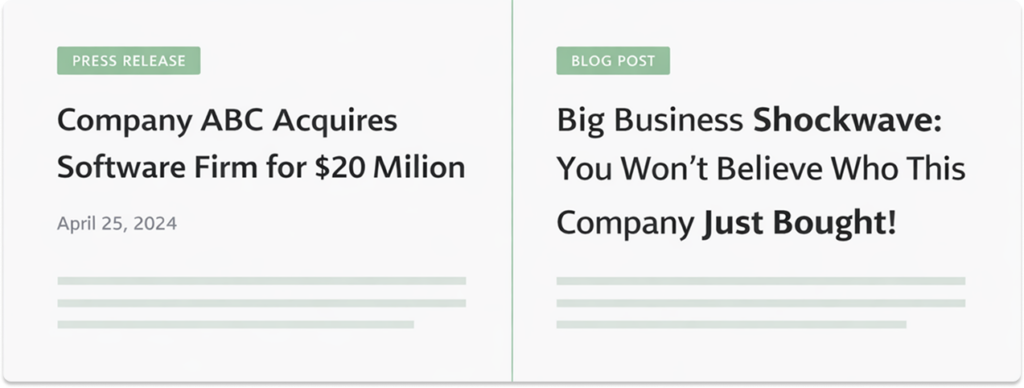
    Comparison between press release headline and blog post title:

    Comparison between a clear, factual press release headline and a dramatic, hype-style blog headline.

    When editors look at your headline, they are usually asking three questions:

    1. What happened?
    2. Is it relevant to my audience?
    3. Do I trust this enough to keep reading?

    When readers see your headline, they tend to ask a simpler version:

    • What is this about, and should I care?

    If your headline answers those questions quickly, you get the click, the read, and sometimes the pickup.

    If it does not, the release gets ignored, even if the announcement is important. The difference usually comes down to specific qualities.

    The Qualities of a Strong Press Release Headline

    You do not need a hundred headline tricks. You need a few principles you can apply to almost any announcement:

    1. Clear and concise

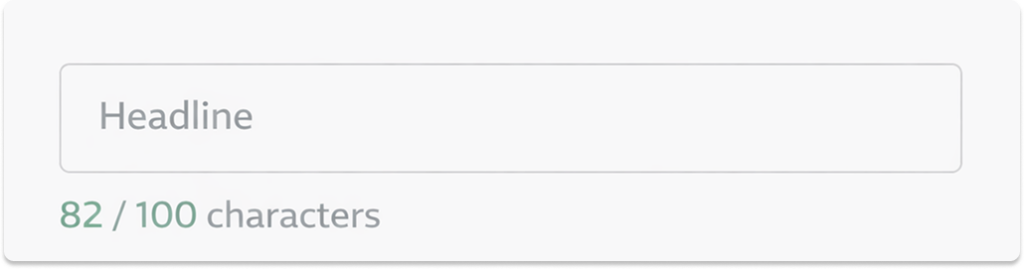
    Your headline should be short enough to scan in one breath. As a practical guide, aim for around 80 to 100 characters or no more than 15 words.

    Minimal UI mockup showing headline input fields with character counters: “82 / 100” in green.

    Short does not mean vague. It means no extra padding.

    A headline that is too long forces the reader to work. Most readers will not.

    2. Simple language, not complicated vocabulary

    Trying to sound “smart” often backfires.

    A headline should be readable by someone who knows nothing about your company. If a reader has to decode your wording, they move on.

    Compare these two approaches:

    • “There are more trucks on the road, and less-qualified drivers, says local lawyer”
    • “Omaha personal injury lawyer alerts drivers about truck crash rates and insurance premium spikes”

    Both convey similar meaning, but one is easier to understand immediately. Clarity wins.

    3. Reader relevance

    Most people do not care about your company update by default. They care about what it means for them.

    So instead of framing the headline around your internal achievement, frame it around the impact.

    If you are expanding to a new location, mention the location. If you are launching a product, mention the use case. If you are sharing data, mention the insight.

    The reader should be able to tell why the headline matters without opening the release.

    4. Shareability without hype

    A shareable headline usually has one thing: it signals a value or emotion people identify with.

    That could be:

    • A clear win for customers
    • A helpful insight
    • A strong public benefit
    • A clear milestone that feels impressive

    The key is to avoid exaggerated language. You can write something people want to share without sounding like you are trying to force attention.

    5. Curiosity with boundaries

    Curiosity is useful, but it has limits.

    A strong headline can tease a detail that makes the reader want to learn more. But if you hide too much, it becomes vague. If you tease too aggressively, it turns into clickbait.

    The safe version of curiosity is this: make the story clear, then leave some details for the body.

    6. Benefits over features

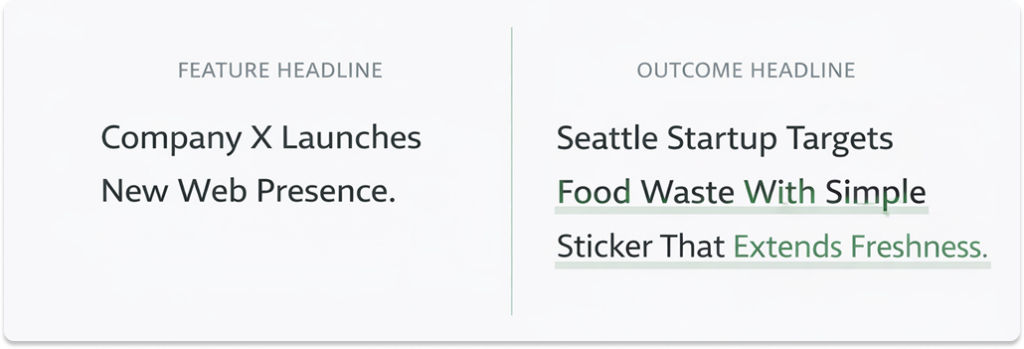
    Features are not automatically interesting. Outcomes are. For instance:

    A comparison between a feature-focused headline and an outcome-driven headline.

    The difference is structural. The first headline tells us what the company did. The second tells us why it matters.

    Editors and readers care less about internal milestones and more about impact. A new website is a company update. Reducing food waste is a public outcome. One is operational. The other has relevance.

    Benefit-driven headlines answer an unspoken question immediately: Why should I care?

    They signal consequences. They show change. They imply value beyond the company itself.

    That does not mean every headline needs to sound dramatic. It means the focus should shift from the action taken to the result created.

    When a headline communicates outcome, it moves from being an announcement to being a story.

    A Practical Headline Writing Process

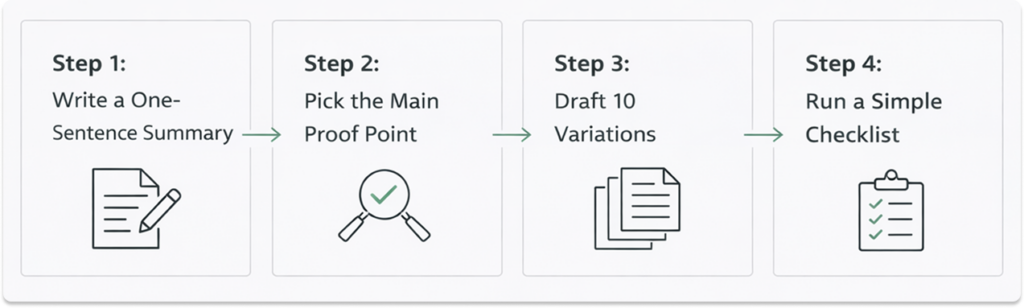
    A four-step infographic showing a headline writing process.

    The easiest way to write better headlines is to stop treating the headline as the first step. Instead, treat it as the final step.

    Step 1: Write a one-sentence summary of the news

    Before you write any headline, write a single sentence that explains:

    • Who is involved
    • What happened
    • Why it matters

    This becomes your anchor. It prevents vague headlines because you are forced to clarify the story first.

    Step 2: Pick the “main proof point”

    Every press release has one detail that makes it worth reading. Identify it.

    It could be:

    • A number, like 20,000 reviews
    • A known brand, like a major partner
    • A clear outcome, like faster publishing or safer travel
    • A location that adds relevance

    Your headline should include this proof point when possible.

    Step 3: Draft 10 variations quickly

    Do not aim for perfection on draft one. Write 10 options in a row, fast.

    You are not trying to “be creative.” You are trying to explore angles:

    • Benefit angle
    • Data angle
    • Local relevance angle
    • Partnership angle
    • Milestone angle

    This gives you choices and prevents you from settling for the first okay idea.

    Step 4: Run a simple checklist

    Before choosing your headline, check:

    • Is it understandable in 3 seconds?
    • Does it sound like news, not an ad?
    • Would a stranger understand what happened?
    • Does it contain a concrete detail when possible?
    • Does it match what the press release actually delivers?

    If your headline promises something the body does not support, it creates distrust. That is an easy rejection trigger.

    Headline Rules That Keep You Out of Trouble

    These are the small rules that improve credibility and reduce risk.

    a) Use present tense for current news

    Press release headlines often use present tense even when the event has already occurred. It keeps the headline immediate and news-like.

    Example pattern:

    Three headline examples highlighting present-tense verbs.

    b) Prefer active voice

    Active voice is usually shorter and clearer.

    • Active: “Company X Launches New Product”
    • Passive: “New Product Launched by Company X”

    Active voice feels cleaner and more direct.

    c) Use numbers only when they are real and defensible

    Numbers make headlines stronger because they signal scale.

    But numbers also create scrutiny. If you include a figure, be ready to support it inside the press release or with a source.

    d) Avoid blog-style phrasing

    Press release headlines should not sound like social captions.

    Avoid:

    • “Guess what happened next…”
    • “You won’t believe…”
    • “Here’s why everyone is talking about…”

    Those styles reduce credibility and make the release feel promotional.

    e) Avoid hyperbole and sales language

    Terms like “revolutionary,” “groundbreaking,” and “best-in-class” usually weaken a press release headline.

    Editors do not want slogans. They want clear news.

    f) Write the headline last

    A headline written too early tends to misrepresent the story. When you finish the body first, you will naturally see the real main angle and proof point.

    g) Use AI as a brainstorming tool, not a replacement

    AI can help you generate options or explore angles. The best use is to produce multiple variations quickly, then you choose and refine the best one to match your story.

    Examples of Strong Press Release Headlines

    Below are examples of headlines that work because they are clear, specific, and anchored in value.

    Example 1: Purpose plus local relevance

    A headline about launching a mosquito protection initiative with a product launch in Malaysia works because it combines:

    • A public benefit people understand
    • A concrete product name
    • A clear location that adds relevance

    It reads like news and gives the reader a reason to care.

    Example 2: Partnership with clear geography

    A Traveloka and Cebu Pacific partnership headline works because it includes:

    • Two recognizable brands
    • A clear region and destination
    • A direct action, “partners,” that signals what happened

    It is informative without being overloaded.

    Example 3: Benefit-led product update

    A SurgeGraph headline about an auto-optimizer tool works because it leads with the outcome people want, which is speed and efficiency. It also creates a natural curiosity about how the tool works without making exaggerated promises.

    Example 4: Milestone with a strong number

    A headline celebrating 20,000 Trustpilot reviews works because the number does the heavy lifting. It is easy to grasp, easy to verify, and it signals trust, which is exactly what reviews are about.

    Example 5: Curiosity without clickbait

    A headline hinting at “Google linking secrets” works because it promises clear value to a specific audience, while still sounding like a legitimate announcement. The “free ebook” element adds a concrete incentive, not a vague tease.

    Final Takeaway

    Press release headlines are not decoration. They are the entry point.

    A strong headline does three things well. It tells the reader what happened, why it matters, and why they should trust it. When those pieces are in place, your press release becomes easier to open, easier to scan, and more likely to be taken seriously by editors.

    The simplest way to improve your headlines is to slow down and treat them as a process. Write the body first, identify the main proof point, draft multiple options, and then choose the headline that sounds like clear news.

    If you do that consistently, you will not just write better headlines. You will write headlines that make your entire press release perform better.

    Frequently Asked Questions (FAQs)

    Q: Should a press release headline include the company name?

    A: Often yes, but not always. If the brand is known or the company name adds credibility, include it. If the headline becomes too long, prioritize clarity and the main news first.

    Q: Is it okay to use a question as a press release headline?

    A: It is usually better to avoid questions. Questions can sound like blog content or clickbait. A press release headline generally performs better as a direct statement of news.

    Q: Should you include your keyword at the beginning of the headline?

    A: If it fits naturally, yes. Early placement helps search engines and helps readers understand the topic faster. But forcing a keyword into an awkward position can reduce clarity, which hurts more than it helps.

    Q: Do press release headlines need title case capitalization?

    A: Not necessarily. Many press release headlines use sentence-style capitalization. What matters most is consistency and readability. If your brand has a style guide, follow it.

    Q: Can a press release headline be different across distribution channels?

    A: Yes. You can use a formal version for wire distribution and a shorter variation for email outreach or social sharing. The core claim should remain consistent, but the presentation can be adapted to fit the channel.

  • Press Release 101: What to Write, Who Reads It, and Where to Send It

    Press Release 101: What to Write, Who Reads It, and Where to Send It

    Most press releases are written correctly and ignored completely.

    The format is not the problem. Journalists still rely on press releases: 72% of reporters named them as the most useful resource PR teams can provide, according to Cision’s 2025 State of the Media Report. 
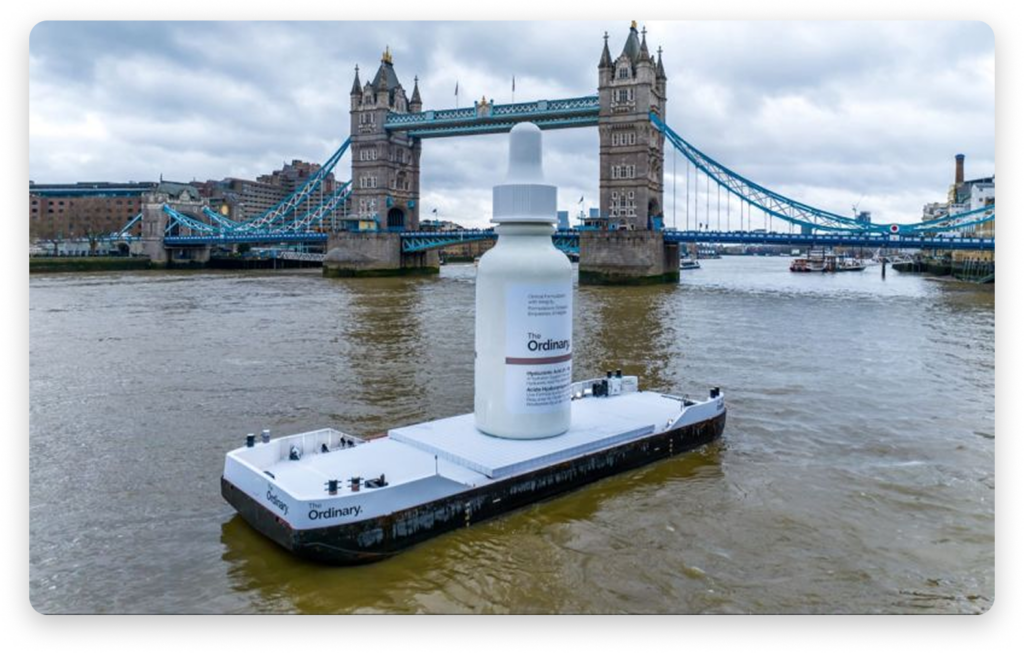
    The problem is that the majority of releases are written as internal announcements dressed up in AP style. They reach the right inbox and die there.

    This post covers the format, the structure, and the strategy behind every element — including the 2026 layer that no “101” guide currently addresses: what happens to your release after a journalist reads it, and whether an AI answer engine decides your brand is worth citing.

    What a Press Release Is

    A press release is an official announcement written for journalists, not for your customers.

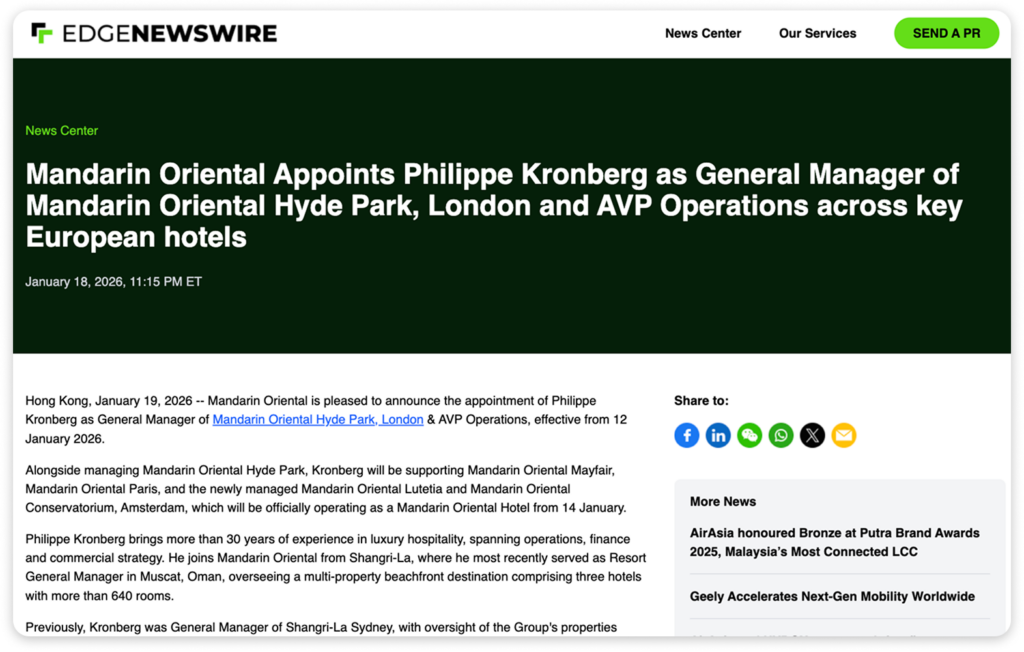
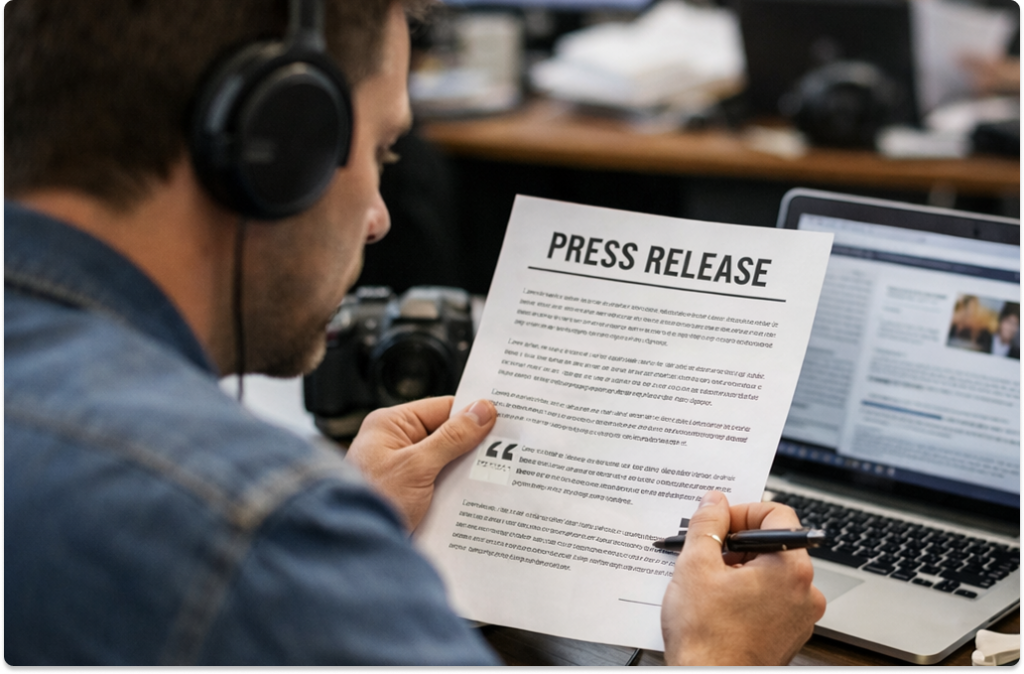
    A journalist reviewing a press release.

    A press release is not a blog post. It is not a product page. It is not a brand story. 

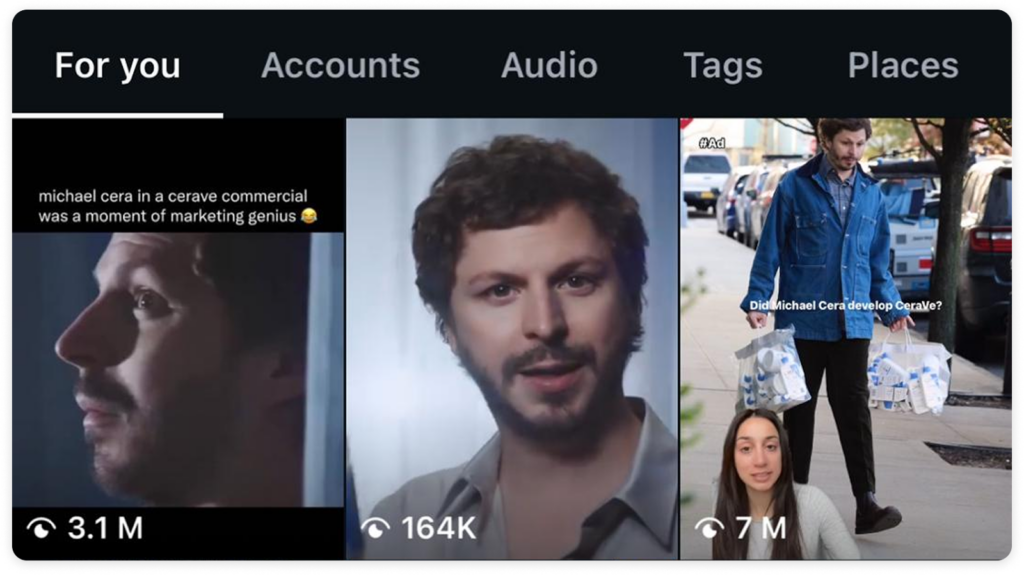
    It is a structured document that gives a reporter everything they need to file a story without calling you for clarification. 

    When it works, the journalist lifts your framing, quotes your spokesperson, and publishes something that reaches an audience you could not have reached directly. That is the entire value of the format.

    Press Release Format and Structure

    Every press release follows the same structural order. Journalists expect it. Deviating from it signals that the sender does not understand how newsrooms work.

    The table below maps each element to its function and the standard it needs to meet:

    ElementPurposeStandard
    Release StatusSignals timing to the journalist“For Immediate Release” or a dated embargo
    HeadlineThe journalist’s first filter65–80 characters, newsworthiness first
    SubheadlineAdds context to the headlineOne sentence, key detail the headline omits
    DatelineEstablishes source location and timingCity, STATE, Date — AP Style
    Lead ParagraphAnswers the 5 Ws50 words maximum
    Body ParagraphsContext, supporting data, narrative2–3 paragraphs, most important detail first
    QuoteReady-to-publish spokesperson voice1–2 quotes, conviction over corporate speak
    BoilerplateStandard company description3–5 sentences, consistent across all releases
    Contact InformationJournalist follow-up pathwayName, email, phone — never buried at the end

    This is the skeleton. Every element has a job. Miss one, and you create friction for the journalist trying to use your release.

    a) The Headline

    Your headline is the only part of your release most journalists will read before deciding to continue.

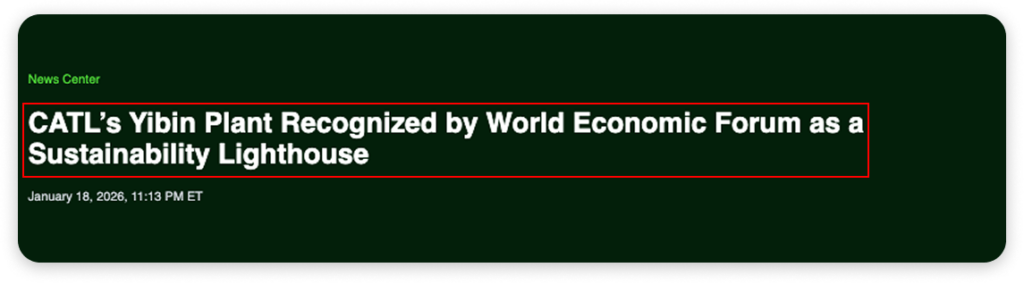
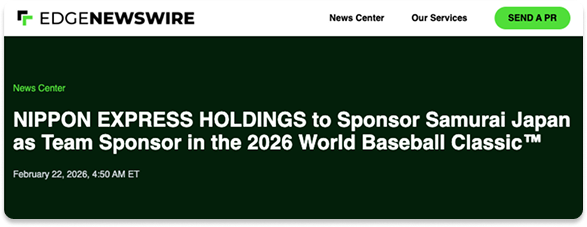
    Media headline generated from a company press release announcement.

    It needs to communicate the news in plain language. Not brand language. Not marketing language. The test is simple: could this headline appear in a newspaper without modification? 

    If the answer is no, rewrite it. Front-load the subject. Use an active voice. Cut anything that sounds like it belongs in an ad.

    b) The Lead Paragraph

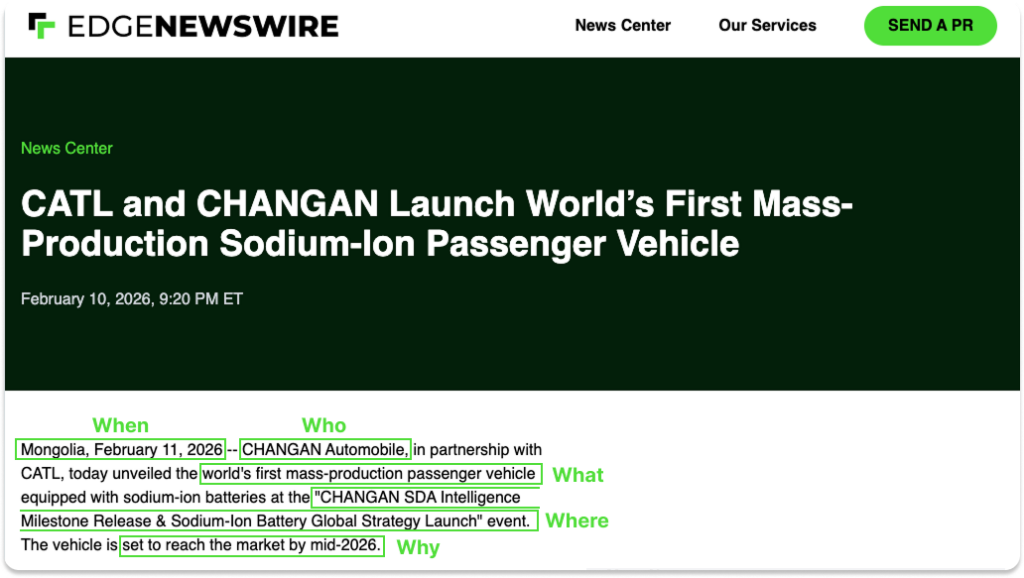
    In 50 words or fewer, the lead paragraph answers five questions: 

    • Who
    • What
    • When
    • Where
    • Why 

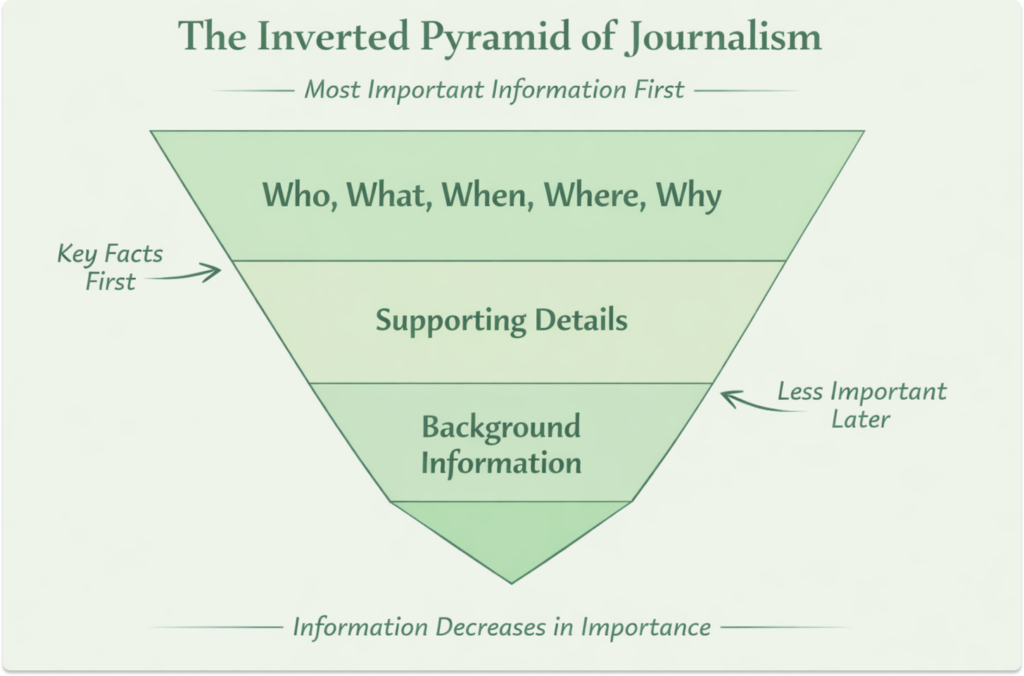
    This is the inverted pyramid in practice. 

    Inverted pyramid journalism diagram showing the most important information at the top (Who, What, When, Where, Why), followed by supporting details and background information in descending order.

    The most critical information sits at the top. Details taper downward in order of importance. The logic is practical: a journalist who needs to cut your release for space will cut from the bottom. 

    If your most newsworthy fact is in paragraph three, it disappears. Write the lead as if the journalist will read nothing else. Because sometimes, they won’t.

    c) Body, Quotes, and Boilerplate

    The body paragraphs expand the lead. They add supporting data, relevant context, and the secondary details that give a reporter enough material to write a full story.

    Quotes belong here, and they need to earn their place. 

    A quote that restates what the body paragraph already said is wasted space. A quote should add voice, perspective, or conviction that plain prose cannot carry. 

    Write quotes the way a real person speaks under pressure — direct, specific, accountable. Journalists use quotes because they add texture to a story. Give them something worth using.

    The boilerplate closes the release. It is a standardized paragraph about your organization. Keep it consistent across every release you publish. 

    This is how AI systems and search engines begin to build an entity understanding of your brand.

    d) Contact Information

    Include a name, direct email address, and phone number.

    Press release media contact section showing a name, email address, and phone number for journalist inquiries.

    This is not optional. Reporters work on deadlines. If your contact information is missing, incomplete, or routes to a general inbox, you have made it easier for a journalist to move on than to follow up.

    What Makes a Press Release Newsworthy

    Writing a structurally correct press release is not the same as writing a newsworthy one.

    Only 10% of the press releases journalists receive are relevant to their beat or audience (Cision, 2025). 

    That number is the core problem with how most brands approach the format. 

    They publish announcements — internal milestones dressed up as public news. A new hire, a rebranded logo, a product update that changes three features. These are not news. They are internal events.

    News has an external angle. It connects your announcement to something that already matters to the journalist’s audience.

    Ask yourself: if your company disappeared from this story, would it still be a story? If the answer is yes, you have found the news angle. If the answer is no, you are writing an advertisement and calling it a press release.

    The newsworthiness filters journalists apply before deciding to cover a story:

    • Timeliness: Is this happening now, or is it old news with a new press release?
    • Relevance: Does this connect to a trend, issue, or topic their audience already follows?
    • Impact: How many people does this affect, and how significantly?
    • Credibility: Is there data, a third-party source, or an accountable spokesperson attached?

    Run your release through all four before you send it.

    Press Release Distribution

    Writing the release is half the work. Distribution determines whether anyone reads it.

    There are three primary channels, and the most effective campaigns use all three in sequence.

    1. Direct journalist outreach

    This method is the highest-quality channel. 

    A release sent directly to a reporter who covers your beat — with a one-paragraph pitch explaining why their audience will care — outperforms any mass distribution approach for premium placement. 

    Nearly 90% of PR professionals prefer direct email outreach for securing meaningful coverage. The tradeoff is time: it requires a targeted media list and personalized pitching at scale.

    2. Newswire distribution 

    This approach provides breadth. 

    It gets your release in front of a wide network of outlets, financial platforms, and media aggregators simultaneously. 

    96% of PR professionals use a newswire service at least once within a 12-month period. The value is reach and indexation: newswires push your release to search engines and, increasingly, to the AI systems that pull from indexed news content to generate answers.

    3. Owned channel amplification

    Your website newsroom, email list, LinkedIn, and X, these channels extend the reach of both approaches and gives your existing audience a direct line to your announcement.

    The combination matters.Brands that distribute via wire and amplify across social channels see 2.5x the overall reach compared to wire distribution alone.

    If you want a distribution layer built for the way media actually works in 2026 — one that indexes your release for AI discovery, generates a social media kit automatically, and tracks brand authority rather than vanity impressions — EdgeNewswire handles that entire layer from a single submission.

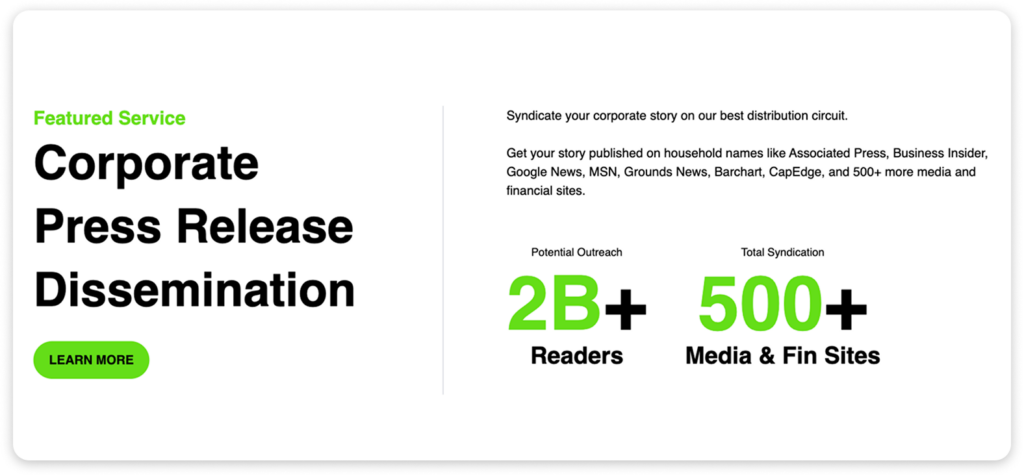
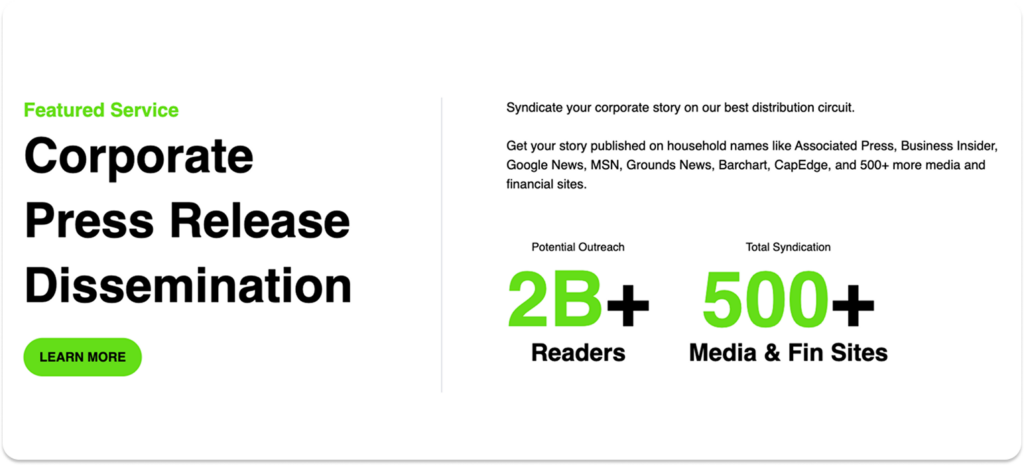
    Corporate press release distribution service highlighting 2B+ reader reach and syndication across 500+ media and financial sites.
    EdgeNewswire press release distribution service

    Press Release Mistakes to Avoid

    #1 Promotional tone

    The moment a journalist reads a superlative, the release reads like an ad. For instance: “industry-leading,” “groundbreaking,” “best-in-class”.

    Journalists are trained to distrust promotional language. Write in neutral, factual prose.

    #2 Buried lead

    If your most newsworthy fact is in paragraph three, the journalist who skims your release will never find it. The news goes in paragraph one. Everything else supports it.

    #3 No multimedia

    A release without an image, graphic, or video link forces the journalist to source their own visuals. Most will not. Multimedia is not a finishing touch; it is a coverage requirement.

    #4 Unfocused distribution

    Sending a niche B2B announcement to a mass consumer newswire, or pitching a local story to national business editors, produces silence. 

    Precision beats volume. Match your distribution to the beat of the journalist and the scope of the story.

    #5 No follow-up

    25% of press releases that get picked up do so without any follow-up from the sender. 

    But that means 75% of coverage opportunities are captured through follow-up. Send a brief, direct follow-up email 48–72 hours after distribution. One email. Not three.

    Press Releases and AI Discovery

    Your press release now has a third audience: AI answer engines.

    In 2026, over 40% of Google searches trigger AI Overviews. ChatGPT, Perplexity, and Gemini are generating answers to the exact questions your buyers and journalists are asking — and those answers pull from indexed, structured, credible sources. 

    If your press release is not optimized for that environment, it is generating a fraction of the value it should.

    This is called Generative Engine Optimization (GEO). The CSCE frames the distinction cleanly: “SEO helps a press release be found; GEO helps it be understood and reused.”

    How to Optimize a Press Release for AI Discovery

    a) Name your entities explicitly

    Do not write “the company” or “our platform.” Write your brand name, your product name, your spokesperson’s full name and title

    AI systems build knowledge graphs from named entities. Ambiguous references do not get cited.

    b) State facts cleanly

    Every data point should have a source attributed in the text. 

    AI systems favor authoritative, evidence-backed content. A press release with three sourced statistics will consistently outperform one with three unsourced claims.

    c) Add multimedia

    Releases with multimedia earn up to 9.7x more views than text-only releases. 

    Video, images, and infographics also create additional discovery points for AI systems scanning content. A text-only release in 2026 is leaving most of its potential reach on the table.

    d) Structure for extraction

    Subheadings, short paragraphs, and FAQ-style content map directly to how AI systems prompt-match and extract information. 

    A release written in dense, unbroken paragraphs is harder for a machine to summarize and cite. 

    A release written in structured sections with clear claims is ready to be surfaced in an AI-generated answer without modification.

    The brands that understand this layer in 2026 will build compounding authority in AI-generated answers. Those that ignore it will find their releases generating less and less return as AI search absorbs a larger share of media consumption.

    Final Takeaway

    You now have the format, the newsworthiness framework, and the 2026 AI layer. The last variable is where you send it.

    EdgeNewswire distributes your release across 2,000+ media endpoints, automatically generates a social media kit from your announcement, and tracks your brand’s presence in search snippets and AI-generated answers — not just impressions. Submit your first release here.

    Frequently Asked Questions (FAQs)

    Q: What is a press release used for? 

    A: A press release is an official announcement sent to journalists and media outlets to generate news coverage. Common uses include product launches, funding announcements, executive appointments, partnerships, events, and company milestones. The goal is earned media — coverage in publications your brand does not own or pay for.

    Q: How long should a press release be? 

    A: A press release should be between 400 and 600 words. Journalists do not read long documents under deadline pressure. Every word should serve the story. If you need more than 600 words to explain the announcement, the announcement is not focused enough.

    Q: How do I get my press release picked up by journalists? 

    A: Target journalists who already cover your beat, lead with the external news angle rather than the internal announcement, include at least one sourced statistic, provide a usable quote, and attach a high-resolution image. Follow up once, 48–72 hours after sending, with a single direct email.

    Q: Do press releases still work in 2026? 

    A: Yes. 72% of journalists named press releases as the most useful resource PR teams can provide (Cision, 2025). 83% of journalists use them as a primary story source (Medianet, 2025). The format works. What does not work is a press release written as an advertisement, sent to the wrong journalists, with no multimedia and no follow-up.

    Q: What is the difference between a press release and a media pitch? 

    A: A press release is a formal, structured document containing the full details of an announcement. A media pitch is a short, personalized email to a specific journalist explaining why the story is relevant to their audience. The most effective PR outreach pairs both: the pitch gets the journalist’s attention, the press release gives them everything they need to write the story.