Getting your news out there is compulsory if you want people to know your brand exists.
Whether you are launching a product, announcing a partnership, or sharing an important company update, a press release is still one of the most reliable ways to communicate that information in a format the media and search engines understand.
But a press release that is not prepared properly or not distributed through the right channels will not bring much value.
It might get published somewhere, but it will not reach your target audience. And this is where most people get it wrong.
They treat distribution as a single step. Upload the file, click publish, and hope something happens.
In reality, getting real results from a press release is a process as follows:
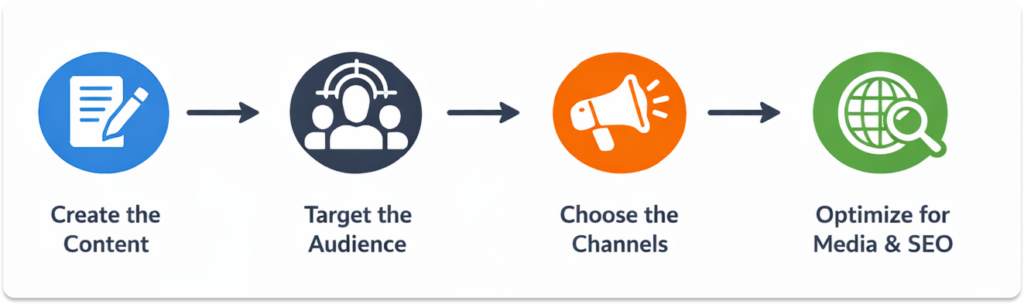
That process starts before you ever hit “publish.”
So before we talk about where to send your press release, let’s start with the first and most important step:
Prepare Your Press Release Before You Distribute It
Before you think about distribution, you need to make sure your press release itself is ready.
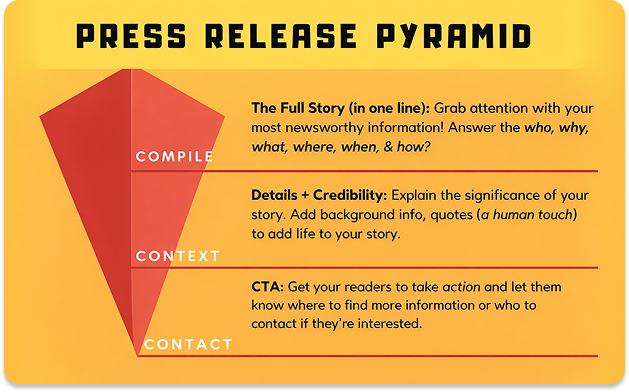
A good press release should answer the basic questions right away:
- Who is involved
- What happened
- When it happened
- Where it happened
- Why it matters
- How it happened
If a reader cannot quickly find these answers, they will move on.
#1 Use a Standard Press Release Format
Press releases follow a standard format because journalists and editors rely on it to quickly understand the story.
When your release follows this structure, you make their job easier, and that increases the chance your news will be read or picked up.
A typical press release includes:
- Headline: A clear title that explains what the announcement is about.
- Summary: One or two lines that give a quick overview of the news.
- Dateline: The city and date, written as [City, State], [Month Day, Year].
- Body: The main content. Start with the most important facts, then add details, context, and quotes.
- Boilerplate: A short paragraph about your company.
- Contact Information: Who the media should contact for more details.
#2 Add Images and Visuals When They Support the Story
Text explains the details, but visuals help people remember and understand your news faster. A relevant image or simple graphic can make your press release more attractive and more likely to be shared.
Visuals work best when they:
- Show the product, event, or people involved in the announcement
- Explain numbers or results in a simple way
- Reinforce your brand, such as with a logo
That said, visuals should only be used when they add value. A random image that has nothing to do with the story can make your press release look less professional.
Make sure any images you include are clear, high quality, and properly sized for online use.
#3 Make Your Press Release Easy to Read and Easy to Scan
Most journalists and readers will scan your press release before they decide to read it properly. This means your structure and writing style matter a lot.
Start with a strong opening paragraph that clearly explains what happened and why it matters.
After that, organize the rest of the content from most important to least important. Use short paragraphs and simple sentences so the text does not feel heavy or tiring to read.
If your press release is longer, you can use subheadings to guide the reader through the main points. You can also highlight key information, but only when it is truly important.
The goal is to help the reader understand the story quickly, not to decorate the page.
Avoid jargon and complicated language. A good rule of thumb is this: someone outside your industry should still be able to understand what you are announcing and why it matters.
#4 Send Your Press Release at the Right Time
Timing has a real impact on how many people see your news. Even a well-written press release can be ignored if it is sent at the wrong moment.
In most cases, weekdays during business hours work better than weekends or late nights, because that is when journalists and editors are actually working.
But the best time also depends on your audience, your industry, and the type of announcement you are making.
For example, a product launch, a financial update, and an event announcement may all perform better at different times.
The important thing is to think about timing as part of your strategy, not as an afterthought.
Once your press release is ready, the next step is deciding where to send it.
Choose the Right Channels to Distribute Your Press Release
Distribution is not about sending your news everywhere. It is about sending it to the right places.
#1 Send Your Press Release to the Right Media and Journalists
Start by looking for publications and journalists who already cover topics related to your business.
If they have written about similar companies or similar announcements before, there is a much higher chance they will be interested in your story too.
This usually means building a list of:
- Industry websites and magazines
- Business or regional news sites
- Journalists who regularly cover your type of news
When possible, personalize your outreach. A short message explaining why your news is relevant to that specific person often works better than a generic email sent to hundreds of contacts.
Also, pay attention to submission guidelines.
<image of submission guidelines if you can find one>
Many publications clearly explain how they want to receive press releases. Following these rules will not guarantee coverage, but ignoring them almost always hurts your chances.
#2 Use Your Own Email List When It Makes Sense
If you already have an email list of customers, partners, or subscribers, this can be a useful distribution channel.
These are people who already know your brand, so they are more likely to care about your updates.
Email works best when your list is:
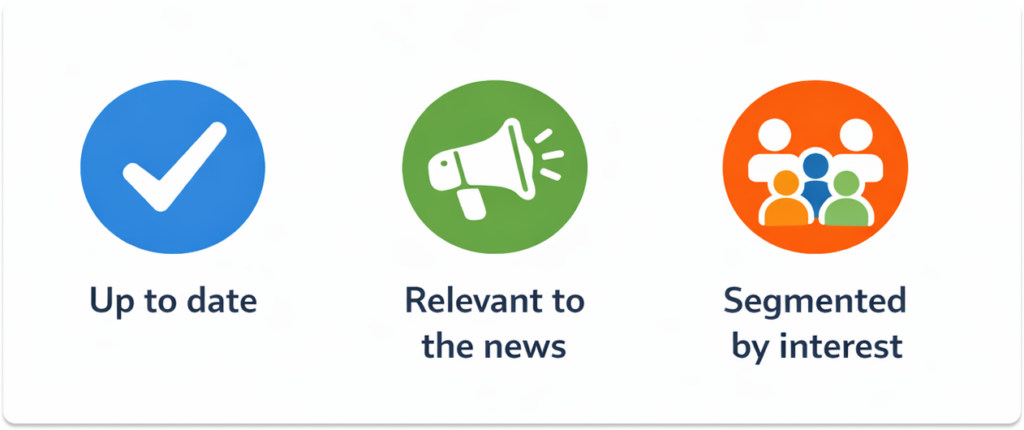
Instead of just sending the raw press release, you can add a short introduction explaining why this update matters. This makes the message feel more personal and more useful.
#3 Use a Press Release Distribution Service
Many brands use press release distribution services because they save time and extend reach.
A good service can place your news across many relevant outlets and handle the technical side of publishing for you.
This is where a service like EdgeNewswire is often used.
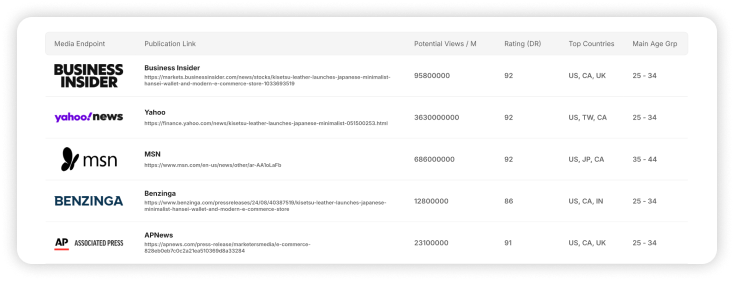
The idea is not just to publish your press release on one site, but to distribute it across a network of media outlets where journalists, investors, customers, and search engines can actually find it.
However, not all services offer the same quality, which is why choosing the right one matters.
How to Avoid Low-Quality Press Release Distribution Services
Choosing the wrong distribution service can waste your budget and your effort. There are a few clear warning signs you should watch out for:
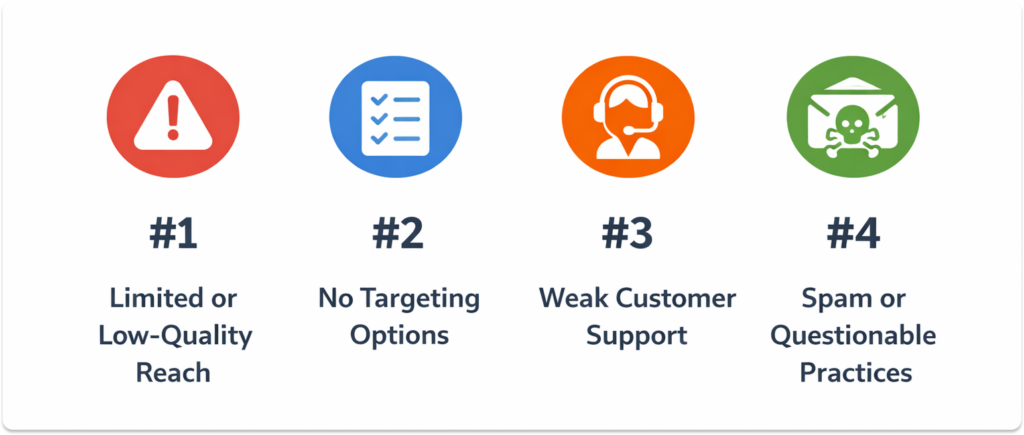
#1 Limited or Low-Quality Reach
Some low-cost or “free” services only publish your press release on their own small network of low-traffic sites.
These sites are rarely read by journalists or real customers, which means your news technically gets published but does not actually get seen.
A reliable service should be transparent about where your press release can appear and what kind of outlets are included in their network.
#2 No Targeting Options
Good distribution is not about blasting your news everywhere. It is about reaching the right audience.
If a service cannot help you target by industry, location, or type of publication, your press release will likely be shown to many people who are not interested in your news.
That usually leads to low engagement and poor results.
#3 Weak Customer Support
Press release distribution is not always a one-click process. You may have questions, need changes, or run into issues.
A good provider should offer:
- Clear and responsive support
- Real people you can talk to
- Guidance when something is unclear
Checking reviews is often the easiest way to see how a company treats its customers.
For instance, a client’s review posted on EdgeNewswire website:

#4 Spam or Questionable Practices
Your press release should build your reputation, not risk it. Be careful of services that are vague about how they distribute content or that use spam-like methods.
A trustworthy service should have clear editorial guidelines and explain how your news is handled and published.
Avoiding low-quality distribution services puts you in a much better position. It means your press release has a real chance to appear on credible sites and reach the right audience.
But, even with a good distribution partner, your press release should not be treated as a “set it and forget it” asset.
The brands that get the most value out of their announcements are the ones that continue to promote them after they go live.
How to Promote Your Press Release After It Goes Live
Promotion helps your news reach more people, get more visibility, and increase the chances of being picked up by media and search engines.
#1 Share Your Press Release on Social Media
Social media gives you a direct way to reach your audience. You should share your press release on your company’s profiles, but adjust the message for each platform.
For example:
- LinkedIn usually works better with a more professional tone
- X works better with short and direct messages
- Facebook can be more conversational
But, do not just post and leave. Reply to comments, thank people who share it, and keep the conversation going. This helps your post stay visible for longer.
#2 Use Paid Promotion When It Is Worth It
Organic reach is useful, but paid promotion can extend your reach much further, especially for important announcements.
Platforms like LinkedIn, Facebook, and X allow you to target specific audiences based on things like job roles, industries, and locations.
Example of audience targeting in Facebook Ads Manager:
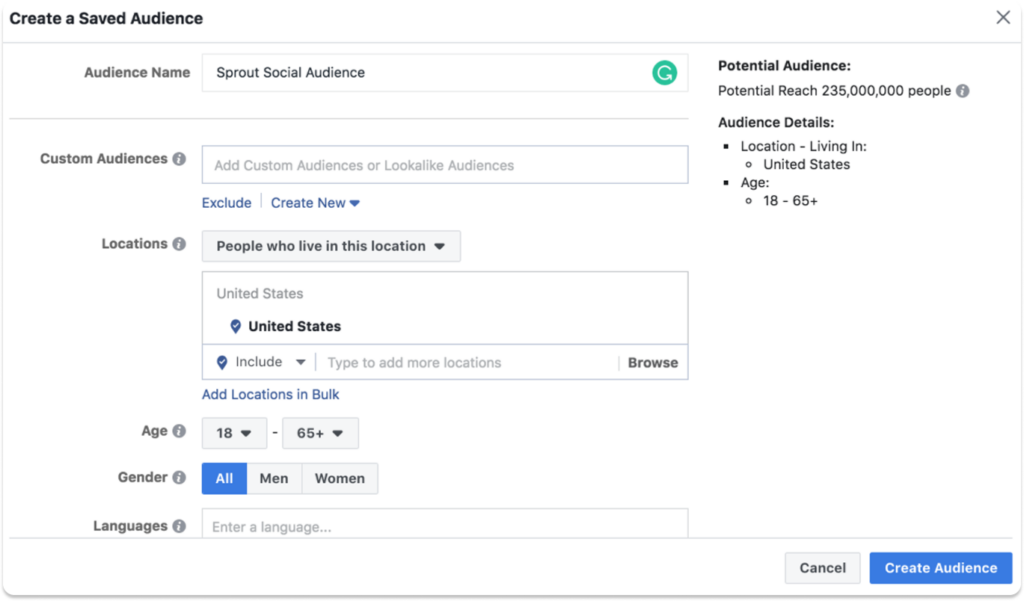
This can be very effective for B2B announcements, product launches, or major company updates.
#3 Publish It on Your Own Website and Blog
Your website is one of your most valuable channels. You should always add your press release to a News or Press section so visitors and journalists can find your latest updates.
You can also turn the announcement into a blog post that explains the story in more detail.
This gives you more space to add context, answer common questions, and improve long-term visibility through search.
Once you’re done promoting your press release, the next step is to look at how it actually performed. This is how you know what worked and what didn’t.
How to Measure Press Release Performance
If you do not measure results, you cannot improve your process.
#1 Check Media Pickups
Start by searching for your company name or your press release headline. Look at which sites published your news and which ones matter most to your audience.
A few good placements are usually more valuable than many low-quality ones.
#2 Check Website Traffic
If your press release links to your website, look at your analytics.
See how many visitors came from those articles and what they did after they arrived. This helps you understand whether your press release is driving real interest or just views.
#3 Check Social Media Engagement
Shares, comments, and mentions show whether people are reacting to your news. This is often a good signal of whether your message connects with your audience.
#4 Compare With Your Previous Press Releases
Do not look at each press release in isolation.
Compare the results with your past announcements. Over time, you will start to see patterns, such as which types of news perform better or which channels bring better results.
Measuring performance shows you what worked and what did not. But many of these results are also shaped by where and how your press release is distributed.
That is why the choice of distribution partner matters.
Why the Right Distribution Partner Matters
A press release is only as effective as its distribution.
You can write a clear and useful announcement, but if it does not reach the right audience, it will not create much impact.
This is why many brands work with a distribution partner that focuses on reach, relevance, and support.
At EdgeNewswire, the goal is to help brands get their news in front of the right audience across a wide media network, while still keeping the process practical and supported by real people.
Final Takeaway
It is not just about what you say. It is about who hears it.
If you want your press releases to bring real results, focus on preparation, smart distribution, and consistent promotion.
When you do that, press releases stop being just announcements and start becoming a real part of your marketing strategy. If you want help getting more out of your press releases, reach out to our team. We’re happy to walk you through the right distribution and promotion approach for your goals. Contact us today!
Frequently Asked Questions (FAQs)
Q: What should I include in a press release before distributing it?
A: Cover the basics (who, what, when, where, why), follow a standard format, and keep it clear, scannable, and supported by specific details.
Q: What is the best time to send a press release?
A: Weekdays during business hours work best, but timing should match your audience, industry, and type of announcement.
Q: How do I choose between sending directly to journalists versus using a distribution service?
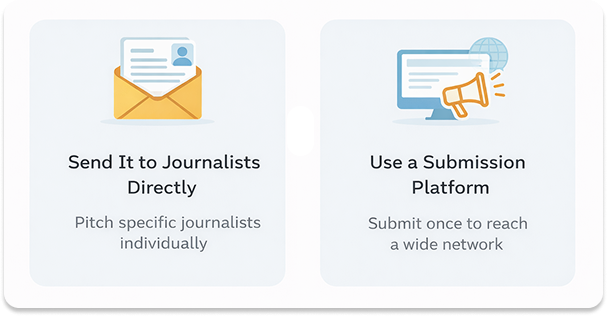
A: Use direct outreach for targeted stories and distribution services for broader reach. Many brands use both.
Q: How can I tell if a press release distribution service is low quality?
A: Look for unclear reach, no targeting, weak support, or spammy practices. Good services are transparent and reliable.
Q: How do I know if my press release actually worked?
A: Track media coverage, website traffic, social engagement, and inquiries, and compare results over time.